Thursday, July 24, 2008

从高处看世界 A View from the Sky


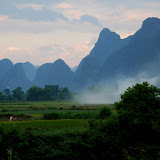
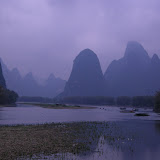
7月21日傍晚,在中国的广西阳朔, 我平生第一次乘上了热气球。刚刚下过雨,太阳光温暖地照向连绵的喀斯特群山 。气球在空气中平稳的徐行,比平静的水面上航行的船只还平稳。在我眼前展现的景象很难言表,却让我心中同时充满安宁与激荡。 这时有一只小手紧紧攥着我的手,试图在每次火焰喷射时得到一点庇护;我回转头时,也有一双微笑的眼睛望着我,我明白身边有另一个心灵正看着和体会着和我一样的东西。

从高出和远处看世界,它会呈现全然不同的景象。这一点我希望我总会记得 。

(阳朔的照片在 “透过我的镜头”中的 “阳朔的夏天”相簿。)


For the first time in my life, I was on a hot air balloon. It was late afternoon on July 21 in Yangshuo, Guangxi province of China. The rain just stopped, and the sun was shining warmly over a vast landscape of Karst hills. The balloon travelled in the air very smoothly, more smoothly than a boat does in calm water. What extended in front of my eyes could not be fully described with words, but it strangely filled my heart with calmness and excitement as the same time. I had a little hand in mine, grabbing me to seek comfort from the occassional burst of fire to create hot air. As I turned around, I saw smiling eyes looking into mine and learned that another soul was seeing and feeling the same things as I was.

The world looks completely different from above and far. This is something I hope I will always remember.

(Pictures of the beautiful landscape in Yangshuo can be found in the album “Summer in Yangshuo” in the section “Through My Lenses” on this blog.)

Wednesday, June 04, 2008

今天 Today

这一天, 我们一同走过并永不会忘却. 我相信并等待历史给它一个应有的名字。

This day we lived and will never forget. I believe history will give it the right name. For that, I wait.

Saturday, May 31, 2008

化蝶 Metamorphosis

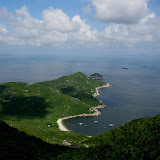
从家向后穿过菜田往南丫岛的深处,经大坪村往山上走,有一段可从高处望海的很美的山径,这是我的晨径。进入晨径前是一段葱郁的长路,此时野花缤纷。也是在这一段,每年初夏和晚秋,各色蝴蝶飞舞, 亦真亦幻。

想起儿子在刚会说整句话后不久,有一天忽然问我: “蝴蝶死了以后就变成花了,是吧?”我笑了,说“是,蝴蝶象花一样美,可它小时候是只小肉虫儿。” 蝴蝶的生命,从沉重变轻盈,从丑陋变美丽,从平庸变灿烂,在我心里始终是个奇迹,好象一个绝不可能的梦想的实现。

中国最著名的有关蝴蝶的故事有两则,一是庄周梦蝶, 二是梁祝化蝶。庄周梦蝶讲的是道家的代表人庄子有一天梦到自己变成了一只蝴蝶,醒了之后感觉梦境中的一切如此真实,他问了一个问题:“我是谁? 我是庄周,梦到了蝴蝶,还是蝴蝶的一个梦, 蝴蝶梦到它变成了庄周?”这个故事中所隐含的哲学思想也可延伸至道家对生与死,现实与梦境等人生命题的阐释。梁祝化蝶是相爱的两个人生前被拆散,死后化作蝴蝶破坟而出,随风自由而舞,永远相依。

蝴蝶是中国人的一个梦境,它是自由, 是美, 是灵魂,是爱情,同时却也是死亡,是脆弱,是女人的虚荣和短暂的欢乐; 它的变形是从肉体到灵魂的解脱,从沉重丑陋的现实生活至美丽轻盈的精神世界的升华。而在传统中国文化中,死亡本身就是一种变形,而不是一个终结。

每每置身于这段蝴蝶纷飞的小径,我都有种伸出手去便触到梦的感觉。有时我想,如果我是一条匍匐而行的虫子,用我的一生做交换可以拥有蝴蝶的一天,我会愿意么?变作蝴蝶的我,还会有虫子的记忆么?


In the deeper part of North Lamma Island up to the hills beyond Tai Peng Village, there is a beautiful trail overlooking the sea. This is our Morning Trail. Leading to the entrance of the Morning Trail, a long pass winds through verdant woods and bushes. Now is time for wild flowers and butterflies. Every year in early summer and late autumn, many butterflies of different sizes and colors flutter on one section of this pass, making it almost dream-like.

I remember once being asked by my then two-year-old son: “when a butterfly dies, it changes into a flower, right?” I smiled and said: “yes a butterfly is as beautiful as a flower, but when it was young, it was a caterpillar”. To me, the metamorphosis in a butterfly’s life is an impossible dream that comes true.

In China, there are two most well-known butterfly stories – “Zhuangzi’s Butterfly Dream” and “Butterfly Lovers”.

The first one was about a dream of Zhuangzi, the Taoism philosopher who lived more than 2000 years ago in China. One day he dozed off and dreamed that he turned into a butterfly. When he woke up, the joyful feeling of a butterfly was so real, and he wondered who he actually was. Was he Zhuangzi who dreamed that he was a butterfly or was he the dream of a butterfly who dreamed it was Zhuangzi? The philosophical proposition implied here also extends to the Taoism view on life and death, reality and dream.

The Butterfly Lovers is a legend of the tragic romance between Liang Shanbo and Zhu Yingtai. When their hope of marriage was dashed when Zhu’s parents betrothed Zhu to another man, Liang died of a broken heart. On Zhu’s wedding day, she threw herself against Liang’s tomb. The tomb opened up and enveloped Zhu. Then a pair of butterflies emerged from the tomb and flew high freely and together.

To Chinese, butterflies symbolize freedom, conjugal love, beauty and soul but at the same time death, vulnerability of life, female vanity and transient joy. Its metamorphosis is the extrication from flesh to soul and rise from the heavy, ugly reality to the light and beautiful spiritual world. In traditional Chinese culture, death is anyway not seen as an end, but a metamorphosis into another form of existance.

Every time I walk along the butterfly section before the Morning Trail, I have the feeling that I can raise my hand and touch a dream. A thought often comes to mind. If I were a caterpillar and could exchange my whole life for a day as a butterfly, would I be willing to? When I became a butterfly, would I still carry the memories of a caterpillar?


Wednesday, May 14, 2008

“在泥泞中, 鞭炮声宣告发现了又一具尸体”"Amid the mud, fireworks signal another body"

当我读到《金融时报》头版报道中国四川为震中的7.9级大地震的这个标题时,我的心颤抖了。“每过一会儿,鞭炮声就响起,告诉人们发现了又一具尸体,然后哀号声就又开始了。”稍后又看到南华早报头版的照片,是几个死去的孩子,身体部分掩埋在他们坍塌了的学校的瓦砾碎片中。我整个身体颤抖了,泪不觉涌上来。

我记忆中也有一次地震。32年前这场地震从一个中国北方城市中夺走了二十多万生命。我模糊记得在一个初夏拂晓的黑暗中,有多彩的光在窗外,有碎石摇落的声音,床在晃,爸爸叫醒我们从我家所在的大灰楼往外跑。直到那年深冬,我们才回到这个大灰楼里。全大院儿的人都挤到了车库和外面的空地中,每家在这里支起一、两张
床和蚊帐。我父母后来用各种颜色的塑料布搭起了全大院第一个防震棚,我在周围跑跑跳跳,快乐而自豪。之后一个多月, 妹妹作为一个新生婴儿从医院直接住进了这个塑料的家。 是的, 我用了“快乐”这个词,它的确准确形容了我当时在震后这几个月中作为一个小孩儿的感受 – 无忧无虑,不上学,没人管,尽情游戏,象野猫一样自由……

孩子总是用与大人不同的眼光看世界,而星期一在地震中失去生命的孩子们却再也不能看世界了,他们在世上的最后时光也是充满恐惧。我无法从脑海中抹去躺在碎瓦中那些小小躯体的样子,这也完全改变了我对自己所稍稍经历了的那场地震的感受。准确地说,把灾难后那几个月回忆成一段快乐时光,我深感内疚。

在我写下这些文字的时候,一定有鞭炮声又在响起;在我写下这些文字的时候,我心中只有悲哀。


My heart shivered, when I read this title of Financial Times' front page story on the 7.9 magnitude earthquake on May 12th with its epicentre in China's south-western Sichuan province. "Every so often the crackle of fireworks signalled another body had been found and the wailing began again". Then I spot from SCMP's front page the picture of dead children partly buried in rubbles of their collapsed school building. My whole body started to shiver and tears filled my eyes.

I too have memory of an earthquake, which wiped out 240,000 lives from a northern Chinese city 32 years ago. Vaguely I remember colourful lights, sound of falling rocks and shaking of the bed when my father woke us up in the darkness of an early summer dawn, to escape from our home in a big grey building. Not until deep into the winter did we return. The whole compound crowded into a large garage and the open areas outside it. The space for each family was merely one or two beds with mosquito nets. Then my parents built up the first emergency shelter in the whole compound with plastics of different colours, and I was running around, happy and proud. A month later, my new born younger sister came back from the hospital into this plastic home. Yes, I used the word “happy”, because the word exactly described how I felt for these few post-disaster months as a child - no worry, no pain, no school, less rules, as fun and free as a wild cat... ...

Children always see the world differently from adults, but these children who lost their lives on Monday will never see the world again. I cannot erase the picture of their small bodies lying in the mud, and this has changed how I feel about my own earthquake. Precisely, I feel guilty for remembering it as a happy time.

As I write, fireworks must have crackled again and again; as I write, grief was all I could feel.

Saturday, April 26, 2008

四十而不惑 Year of No Doubts

许多同学朋友在今年踏入或即将踏入不惑之年。中国人没有本土宗教揭示终极真理,所以很少在中国人身上发现传教士情结。对生命与生活的观察常常凝结为生的智慧,主要用于自勉与自省。一个例子,孔夫子将他对人生不同年龄段特点的理解归纳为这样几句话:“吾十有五而志於學,三十而立,四十而不惑,五十而知天命,六十而耳順,七十而从心所欲,不逾矩。”

踏入不惑之年的门坎,我们自问何为“不惑”。我想,不惑应表现为宠辱不惊。因为明了自己生活的追求是什么, 所以不容易为外部环境或他人之言所困惑或左右,在生活的起伏中保持思绪的宁静和平安。心灵从日常的烦扰和焦虑中解放出来,得以看到真正的美,感受真心的爱,捕捉到瞬间的温存,听到自然的低语。

生日不久的一个午后,我静坐在阳台上。刚下了雨,微风吹拂。一只墨色的蝴蝶,尾部各有一个蓝紫色天鹅绒的美丽斑点。她飞落到我们的簕杜鹃树上,在挂着晶亮雨珠的紫花和绿叶间飞舞。我发现自己在这个如梦的景象前微笑,心里感动并无限满足。这时我想也许不惑之年真的来了, 我为此而快乐。

Many friends that went to school with me have recently entered or will soon enter the year of no doubts. Chinese have not an indigenous religion that reveals THE TRUTH and therefore seldom display any missionary passion. Very often observation of life results in intellectual or practical wisdoms and is used for reflection on one's own life. As an example, Confucius put his understanding of the general pattern of different phase of a human life in these words: "At fifteen my heart was set on learning; at thirty I stood firm and independent; at forty I had no more doubts; at fifty I knew the mandate of heaven; at sixty my ear was obedient; at seventy I could follow my heart's desire without transgressing the norm."

At the year of no doubts, we asked ourselves what it is to be "no doubts". To me, it means clarity of what I want out of this life so that I am not easily confused or swayed by external environment or attitude of other people. This leads to peace of mind and calmness in emotion. The heart is freed from distractions and anxiety in order to see the real beauty and feel the true love, in order to catch the tenderness in a transient moment and hear the whispers of nature.

One afternoon shortly after my birthday, I sat on the balcony. The rain just stopped. I saw a black butterfly with strikingly vibrant violet tails land on our Bougainvillea tree, hopping on purple flowers and green leave glistening with rain drops. Moved by this almost dreamy scene, I noticed that I was smiling with a full, contented heart. Perhaps the year of no doubt was really setting in. For that, I was very happy.

Tuesday, April 08, 2008

生命的夏天Life's Summer

我生命的夏天开始的那一瞬间, 以它的色彩、气味和温柔的抚摸常存在我心里, 到永远。
This moment, the moment that started the summer of my life, stays with its color, its smell and its gentle touch in my heart, forever.

Saturday, March 29, 2008

北京奥运 The Beijing Olympics

There has been rising calls from the West for boycotting the Beijing Olympics due to Chinese government’s clashdown of the Riot in Lhasa. The French president Sarkozy even threatened to keep the option open not to show up in the opening ceremony. The base for such discussions, is, as always, China’s violation of human rights in Tibet.

I thought the time for waging ideological war was over, I am apparently wrong. I forgot that people who grew up with required reading of George Orwell’s Animal Farm and later did not read anything else would never get out of such brain-wash or open their eyes to see the completely changed world. The sad situation is that they seem to enjoy all the freedom to think and to speak and proudly believe so but volunterily and automatically take side based on ideology instead of facts and reasoning. Seek truth from facts. This should be the conciense of all journalists, but let me ask how many Western journalists have reported on the riot in Tibet out of such conciense? The double-standard and self-censorship Western media exhibted in reporting this event is astounishing. Please read the Economist correspondant’s report, who was the only foreign journalist that witnessed the event. Read about the Tibetan mobs’ violent burning, looting and attacking people purely because of their ethnic orginin. Which government in the world would sit there and watch this happen? Talking about human rights, how many have compared the life expectancy and child mortality rate in Tibet in 1959 and 2006? Isn’t the right to live the very basic human right?

Indeed, China was a communist nation that had experienced many man-made catastophes. It’s also an oriental nation, with different set of values and way of life from the West. People are inclined to hate something they don’t know or understand. They comdemn instead of trying to learn. But didn’t China and the Chinese government lift the most people out of poverty within the shortest time in history? Isn’t China now shouldering a large part of the world’s growth need and try to handle its challenges domestic and abroad responsibly? For that, China deserves some respect, and Chinese people deserve some pride. I’m sure such pride will be shown in the Beijing Olympics when the world meet in Beijing. It’s a chance for the Chinese to get closer to the world through its openess and hospitality, and vice versa.

When I was in Beijing a month ago, I could feel people’s enthusiam for the Olympics in their everyday life. Can you imagine that in the glove box of every taxi driver on the road of the city is an English phrase book? People of Beijing are waiting for the world, with open hearts. Any reckless threatening of boycotting is not justified. Honestly, I’m not so keen on seeing Sarkozy’s twisted face in the opening ceremony. Of course that’s just some irrational, personal anger of a Chinese, who has the impression that no matter what happens, China is always on the wrong side in the eye of the West.

Friday, March 14, 2008

舞蹈 Dance

我是一个不太容易在公众场合达到忘我境界的人,不太善于跳出自我享受人群中的乐趣,多处于观察者的状态。这也许是为什么我在众人中常常显得温和而安静。

记忆中有两次中了邪。一次刚上小学,上语文课的时候走神儿心里哼起了歌,不知不觉从心里哼到了教室里, 直到老师喊我的名字才醒了。 再一次大学刚刚毕业到外交部工作去军训。一天大家全排队去了食堂,只有我一人落在后面。心里忽然回荡起Yesterday Once More的词曲, 竟震天动地地高歌起来,听到空旷的营房里自己的歌声越发心潮澎湃。此时外交部带队的田老师蓦然出现,我嘎燃而止,脸上起了火。

无论什么性格的人,大概都需要自由抒发内在自我的出口。世上百试不爽始终能迅速带我进入忘我境界的事不多,有一个便是舞蹈。音乐一起,周围一切都隐去,我成了一个崭新空间里的人,从心灵到身体全在音乐里得到了完整自由的释放。无论是“高山流水”的古典柔美,“西班牙斗牛”的热烈狂野,“命运”的起伏挣扎,还是印度“拍球”的活泼顽皮,全都好象开了闸的水,奔涌而出。我相信它们都是我内在性格的一部分,在舞蹈中得以彰显。

忘我其实何等美妙!离开了舞台,在舞蹈中淋漓尽致的时候少了,生命之舞却仍在继续。或许是岁月赋予了更多的成熟和悟性,我好象正在感受到一种力量或是一种召唤,象乐曲般带我进入自由挥洒的空间,随心的节奏而舞,过至情至性的生活。这是人生的舞蹈,相信它比舞台上的更加真实而美丽。

Monday, March 03, 2008

我爱北京 I Love Beijing

让我们荡起双桨
小船儿推开波浪
水中倒映着美丽的白塔
四周环绕着绿树红墙

小船儿轻轻,漂荡在水中
迎面吹来了凉爽的风

这个冬日新春即将来临的一个黄昏,我们走在北海公园的湖畔,夕阳在光滑的柳枝间徐徐降落,无比静谧的一刻,从心中的某个角落飞出了儿时的这首歌,觉着自己好像就是这条小船,漂过了五湖四海,今天漂回到曾经熟悉的红墙碧瓦之间,眼睛热热的潮湿了。几个曲艺艺人从身边经过,对着我打起了快板儿,清脆的声音跳跃着划过正在降临的夜色,我们开心地朗声而笑。

回了张自忠路铁一号的老房子,灰楼长廊下那棵国槐竟还在。我依稀看到一个穿着鲜红色灯芯绒外衣扎着编辫儿的小姑娘在树间的皮筋儿上跳跃,白色的槐花在夏天最后的日子里正发出浓郁的香气...这画面这气味仿若一梦, 却又熟悉得如同昨天。离家多远,走了多久,一瞬间与童年相遇,竟如此温暖。明白了一件事:故乡是永远故乡,即便它面目全非,它却是过去的现实活在我今天和明天的生命中,永不改变。

我爱我的故乡北京。

“Let us swing the oars
See little boats push the waves
In the water is the reflection of the White Pagoda
Around are green trees and red wall

Softly drifting, little boats
Into our face blowing a cool breeze
……”

When the winter was receding and the spring was faintly felt in the air, we came to Beijing. At one serene moment while we were walking in Beihai Park, this childhood song emerged from a secret corner of my heart. Behind the willow branches, the sun was setting. I felt like one of these little boats, drifting across waters and now back into the red wall and emerald tiles once so familiar to me. A few folklore performers passed by and started to recite a joke to us to the rhythm of their bamboo clappers. The crisp sound pierced through the dusk, and we all laughed with joy.

We made it back to my old home decades ago at “Iron No. 1” of Zhangzizhong Road, once the government of a warlord who seized power of Beijing for some time. By the long covered corridor outside my window, the Chinese scholartrees were still standing. Dreamily, I came into a late summer afternoon and saw a little girl in a red corduroy jacket, hair in braids, jumping between two rubber-band strings tied to these scholartrees. The white flowers hung in full blossom, sending forth wafts of strong fragrance… The scene and the scent were as clear and close as yesterday. This sudden encounter with my childhood face to face, even in a twinkling, filled me with tenderness and warmath. Hometown is always there, even it takes on an unrecognisable new appearance. The past is a reality, not just a memory. It will live on in my life today, tomorrow, and never change.

I love my hometown Beijing.

Friday, February 15, 2008

游德散记(2) - 莱茵河畔,历史在现时 Travel Notes from Germany (2) –Along the Rhine: Visible History

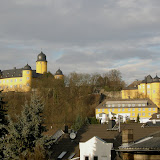
The Rhine 的中文名字是”莱茵河”, 这是我所知道的一条河流所能拥有的最美的名字。圣诞期间,我们在莱茵中段驱车徐行, 这段是以两岸众多的城堡和葡萄园著称的浪漫之旅。中国人会很容易陶醉于欧洲的风景,就是在一个萧刹的冬日,在灰蒙蒙的天地间,莱茵河仍然充满诗意和魅力。

然而给我最深的是那么多古迹得以保存并仍是人们日常生活的一部分。人们还生活在草木结构的几百年的老房子里, 教堂的钟仍象中世纪时一样鸣响, 村庄仍象它们最初形成时那样组成了社会生活的最小社群。有人说, 中国文化已经有长足发展的时候,德国人还住在山洞里。不错,可是何处可见这长足发展了的文化呢? 辉煌过去的少数可见印迹早被隔离而大多成为只有付了门票才能参观的“景点儿”,早不在我们每一天的生活里。

我试图理解为什么中国人看起来不太珍惜没有实用价值的老东西,但没有确切的答案。我观察到中国历史的朝代权利更迭常来自于农民起义,总有打碎旧天地创造新世界的意味。另一个观察是在欧洲, 基都教在过去两千年来始终是政治和社会中的一个主要力量, 深深影响了欧洲社群的发展,自然也会一贯的保护许许多多教会自己建设的东西,无论谁是执政者,况且政教合一的情形普遍存在。中国历史没有任何一种宗教曾经成为与国家政权并行或交织的力量。仅一点浅薄的想法。

The Rhine is translated into Chinese as “Lai Yin (莱茵)”. Melodious and picturesque, it is the most beautiful name for a river I’ve ever known. At Christmas time, we made a day out along the middle Rhine, known as the romantic part with many castles and vineyards. European landscape can easily be pleasing to Chinese eyes. Even in a bleak winter day, under grey skies and through grey lands raised on its sides, the Rhine was still poetic and very much inviting.

The most striking to me though is how much historical sites have been preserved and remained in a society’s current life. People still live in wood-clay structured houses of hundreds of years; church bells toll as they did in medieaval times; and villages maintained the way when it was formed as small, basic human communities. It may not be too wrong to say when sophisticated culture had been developed in China, Germans were still dwelling in caves, but where do we see this sophistication of culture in China today? Visible traces of the splendard past are so rare that any of them must be strictly isolated and in most cases become “attractions” accessible only after you pay an entrance fee. They are not part of our life any more.

I’ve been trying to understand why Chinese appear not to appreciate “old things” when they don’t see practical value in them. I have no definite answer. One observation of Chinese history is that the change of power often involoved violent uprise of farmers and destruction of the “old heaven and earth”. Another observation is, Chritianity has been a major power in European politics and society in the past 2000 years. This power consistanly and deeply impacted the development o fcommunities and therefore it has always been there to protect what it has built no matter who were in control of the states. In China, religion has never been a power parallel to or intertwined with the state. Just some thoughts